ISO 13485: Medical Device Quality Management and Certification in Saudi Arabia
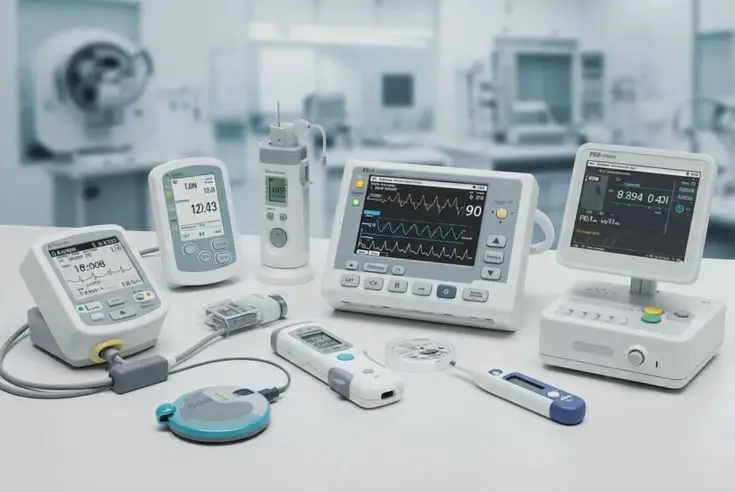
Medical devices play an essential role in healthcare, from diagnostic equipment and surgical instruments to implants and laboratory testing products. Their safety, reliability, and consistent quality depend on effective quality management throughout the product lifecycle. ISO 13485 provides an internationally recognized framework that helps organizations establish and maintain a quality management system specifically designed for the medical device industry.
For manufacturers, suppliers, distributors, and other medical device organizations operating in Saudi Arabia, understanding ISO 13485 can help support quality control, regulatory compliance, and customer confidence. It is also relevant to businesses planning to enter the Saudi medical device market or strengthen their existing quality processes.
This guide explains what ISO 13485 means, its latest version, key requirements, certification process, training options, and important considerations related to the Saudi Food and Drug Authority (SFDA).
What Is ISO 13485?
ISO 13485 is an international standard that specifies requirements for a quality management system (QMS) for organizations involved in the medical device industry. Its primary purpose is to help organizations consistently meet applicable customer and regulatory requirements for medical devices and related services.
The standard covers quality management throughout the product lifecycle, including design, development, production, storage, distribution, installation, servicing, and associated activities where applicable.

What Does ISO 13485 Mean for Medical Devices?
The meaning of ISO 13485 is closely connected to product quality, patient safety, risk management, and regulatory compliance. Rather than focusing only on the finished product, it requires organizations to manage the processes that influence medical device quality.
For example, a medical device manufacturer may use an ISO 13485-based QMS to control suppliers, maintain production records, validate certain manufacturing processes, investigate product complaints, and manage corrective actions.
The standard can be relevant to:
- Medical device manufacturers and developers.
- Organizations involved in assembling, packaging, or labelling medical devices.
- Suppliers providing components or services that affect device quality.
- Importers, distributors, and authorized representatives where applicable to their activities and regulatory obligations.
- Organizations providing installation, servicing, or technical support for medical devices.
The precise requirements depend on the organization’s activities, the products involved, and applicable regulations.
ISO 13485 Latest Version
The latest confirmed published edition is ISO 13485:2016, titled Medical devices — Quality management systems — Requirements for regulatory purposes. The International Organization for Standardization (ISO) reviewed and confirmed this edition in 2025, and it remains the current published edition according to the official ISO catalogue.
Organizations should check the official ISO catalogue before beginning a certification project, particularly if a new edition, amendment, or regulatory transition could affect their plans.
ISO 13485:2016 places particular emphasis on risk management, documented processes, product traceability where required, supplier controls, and the organization’s ability to meet applicable regulatory requirements.
ISO 13485 Requirements and Standard Clauses
Understanding the ISO 13485 requirements is an important step toward implementing a compliant quality management system. The standard is organized into eight main clauses, with the principal operational requirements contained in Clauses 4–8.

Overview of ISO 13485 Standard Clauses
| Clause | Main topic | What organizations need to address |
| Clause 1 | Scope | The standard’s intended application |
| Clause 2 | Normative references | Referenced documents necessary for application |
| Clause 3 | Terms and definitions | Terminology used in the standard |
| Clause 4 | Quality management system | QMS processes, documentation, and records |
| Clause 5 | Management responsibility | Leadership, quality policy, and responsibilities |
| Clause 6 | Resource management | Competence, infrastructure, and suitable work environments |
| Clause 7 | Product realization | Planning, design, purchasing, production, and related controls |
| Clause 8 | Measurement, analysis, and improvement | Feedback, complaints, audits, nonconformities, and corrective action |
The table is an overview, not a replacement for the official standard.
Key Areas of Compliance
Organizations implementing ISO 13485 standards for medical devices should pay particular attention to the following areas:
Document and record control: Maintain approved procedures, specifications, quality records, and other documented information required by the QMS.
Risk management: Identify and control risks associated with the device and relevant processes throughout the product lifecycle.
Supplier management: Evaluate suppliers, define purchasing requirements, and monitor supplied products or services according to their impact on quality.
Design and development: Where applicable, establish controls for design planning, inputs, outputs, reviews, verification, validation, and changes.
Production and process control: Define working procedures, equipment requirements, process controls, and validation activities where required.
Traceability and product identification: Establish identification and traceability arrangements appropriate to the product, its risks, and applicable regulatory requirements.
Complaint handling and corrective action: Record and assess complaints, investigate problems, address nonconformities, and determine whether corrective action is necessary.
Monitoring and improvement: Use audits, process monitoring, and data analysis to evaluate QMS effectiveness and identify opportunities for improvement.
ISO 13485 Certification: Benefits and Requirements
ISO 13485 certification is an independent assessment of whether an organization’s quality management system conforms to the standard within the defined certification scope.
Certification can demonstrate that a business has established systematic controls for managing medical device quality. However, certification alone does not guarantee that every product is safe or that all regulatory approvals have been obtained.
Benefits of ISO 13485 Certification
Organizations may benefit from implementing and certifying their QMS in several ways:
- Consistent quality: Establish repeatable processes for manufacturing and delivering medical devices.
- Better risk management: Identify and control risks that could affect product quality or patient safety.
- Stronger supplier oversight: Apply structured evaluation and monitoring processes to suppliers.
- Improved documentation: Maintain clearer records, responsibilities, and process controls.
- Greater customer confidence: Demonstrate a commitment to recognized medical device quality practices.
- Regulatory support: Provide a structured basis for addressing relevant quality management requirements.
- Market opportunities: Support business relationships with customers or markets that expect evidence of a suitable QMS.
ISO 13485 Certification Requirements
Before applying for certification, an organization should:
- Define the QMS scope and the activities covered.
- Identify applicable regulatory and customer requirements.
- Conduct a gap assessment against ISO 13485.
- Develop or update required procedures and records.
- Assign responsibilities and provide appropriate staff training.
- Implement the QMS and retain evidence that processes are operating as intended.
- Conduct internal audits and management reviews.
- Address identified nonconformities.
- Arrange an assessment with a competent certification body.
- Resolve any findings and complete the certification process.
The exact process, duration, and cost depend on the organization’s size, scope, locations, product complexity, and current level of QMS implementation.
ISO 13485 Certification in Saudi Arabia
Organizations researching ISO 13485 certification in Saudi Arabia should consider both the international standard and the requirements applicable to medical devices in the Kingdom.
The Saudi Food and Drug Authority (SFDA) regulates medical devices in Saudi Arabia. Its regulatory framework includes requirements concerning quality management systems for relevant establishments. SFDA guidance addresses how ISO 13485:2016 applies to medical device manufacturers, authorized representatives, importers, and distributors within its scope.
Businesses should review the applicable SFDA requirements for their establishment type, role in the supply chain, and intended medical device activities before assuming that a particular certificate is sufficient.
ISO 13485 and SFDA Requirements
ISO 13485 and SFDA requirements are related, but they are not interchangeable. ISO 13485 establishes quality management system requirements, while the SFDA applies Saudi-specific regulatory requirements for medical devices.
Depending on the organization’s role and circumstances, relevant obligations may include:
- Establishing and maintaining an appropriate quality management system.
- Meeting applicable establishment and product regulatory requirements.
- Maintaining documentation and records.
- Managing complaints, nonconformities, and product-related risks.
- Cooperating with relevant assessments, inspections, or QMS audits.
- Meeting applicable requirements for importing, distributing, or placing medical devices on the Saudi market.
Organizations should consult current SFDA guidance and, where necessary, obtain advice from a qualified regulatory specialist. They should also verify the certification body’s competence and the exact scope of any proposed certificate.
ISO 13485 Training and Internal Auditor Certification
ISO 13485 training helps employees understand the standard and apply its requirements to their responsibilities. Training needs will vary depending on whether someone works in quality assurance, regulatory affairs, manufacturing, purchasing, auditing, or senior management.
Common ISO 13485 Training Options
| Training type | Intended audience | Main learning objectives |
| Awareness training | General staff and new employees | Understand the standard’s purpose and basic requirements |
| Implementation training | Quality managers and QMS teams | Plan and maintain an ISO 13485-based QMS |
| Internal auditor training | Employees assigned to audit the QMS | Plan, conduct, report, and follow up internal audits |
| Lead auditor training | Professionals seeking more advanced audit skills | Develop broader management system auditing competence, depending on the programme |
| Regulatory-focused training | Quality and regulatory professionals | Understand relevant regulatory obligations and their relationship with the QMS |
ISO 13485 Internal Auditor Training
An ISO 13485 internal auditor helps assess whether an organization’s QMS conforms to applicable requirements and is effectively implemented.
Internal auditor training commonly covers audit planning, checklists, objective evidence, interviewing techniques, recording findings, and follow-up of corrective actions.
An ISO 13485 internal audit checklist can help auditors organize their work. It may include questions about document control, training records, supplier evaluation, product traceability, complaint handling, nonconformity management, and corrective action. The checklist should be tailored to the organization’s scope and applicable requirements rather than used as a substitute for understanding the standard.

ISO 13485 Training Certification
A training certificate generally demonstrates that a participant completed a particular learning programme or met its assessment criteria. It is not the same as organizational ISO 13485 certification, and it does not automatically authorize someone to act as a certified lead auditor.
Before choosing ISO 13485 internal auditor training or an internal auditor certification programme, review the syllabus, assessment method, trainer competence, and recognition offered by the provider.
What Is the Difference Between ISO 13485 and EN ISO 13485?
ISO 13485 is the international standard. EN ISO 13485 is a European adoption of that standard. Depending on the edition and applicable European regulatory context, the European version may include an annex or other information relevant to its use in Europe.
| Feature | ISO 13485 | EN ISO 13485 |
| Main context | International standard | European adoption of the international standard |
| Intended purpose | Medical device quality management | Medical device quality management in a European standards context |
| Use in Saudi Arabia | Considered alongside Saudi requirements | European adoption does not replace Saudi requirements |
| Regulatory considerations | Depends on the jurisdiction | May be relevant to European regulatory considerations |
For businesses operating in Saudi Arabia, the applicable SFDA requirements should guide their regulatory planning. Organizations selling products in multiple markets may need to assess additional market-specific obligations.
How to Prepare for ISO 13485 Certification
A practical preparation plan can make implementation more manageable:
- Review your activities: Identify which medical device lifecycle activities your organization performs.
- Determine applicable requirements: Consider ISO 13485, SFDA requirements, and relevant customer obligations.
- Assess existing processes: Compare current procedures and records with the standard.
- Close gaps: Develop documented processes and implement the necessary controls.
- Train employees: Make sure staff understand the processes and responsibilities relevant to their roles.
- Conduct internal audits: Evaluate conformity and identify areas requiring corrective action.
- Review system performance: Use management reviews and relevant data to assess effectiveness.
- Select a suitable certification body: Confirm its competence, accreditation status where relevant, and certification scope.
- Prepare for assessment: Organize records, ensure processes are operating, and address known issues.
Certification should be treated as part of an ongoing quality management approach rather than a one-time paperwork exercise.
Conclusion
ISO 13485 provides a structured framework for managing medical device quality, controlling risks, maintaining documentation, and addressing applicable regulatory requirements. For organizations exploring ISO 13485 certification in Saudi Arabia, it is important to understand how the international standard interacts with current SFDA obligations and the organization’s specific role in the medical device supply chain.
Appropriate implementation, staff competence, effective internal audits, and ongoing monitoring can help organizations maintain a more consistent and reliable quality management system. IQCA’s educational resources can help professionals build their understanding of quality management and certification-related topics.
Frequently Asked Questions
What is ISO 13485?
ISO 13485 is an international standard that specifies quality management system requirements for organizations involved in medical devices and related services.
What is the latest version of ISO 13485?
The latest confirmed published edition is ISO 13485:2016. The official ISO catalogue confirmed this edition as current in 2025. Check the catalogue for subsequent updates before implementation.
Is ISO 13485 certification mandatory in Saudi Arabia?
Applicable Saudi requirements depend on the organization’s role, activities, and regulatory circumstances. Relevant establishments should review current SFDA rules and guidance to determine their obligations.
What is the difference between ISO 13485 and SFDA requirements?
ISO 13485 specifies quality management system requirements. SFDA requirements govern relevant regulatory obligations for medical devices in Saudi Arabia. Meeting one should not automatically be assumed to satisfy every obligation under the other.
What are the main ISO 13485 requirements?
Key areas include QMS documentation, management responsibility, resource and competence management, risk-related controls, product realization, supplier control, complaint handling, internal audits, and corrective action.
Who needs ISO 13485 training?
Quality professionals, regulatory staff, manufacturers, supplier personnel, internal auditors, and others whose responsibilities affect medical device quality may benefit from relevant training.
What does ISO 13485 internal auditor training cover?
It typically covers audit planning, evidence collection, interviews, recording findings, reporting results, and following up corrective actions.
Is an ISO 13485 training certificate the same as ISO certification?
No. A training certificate relates to an individual’s participation or achievement in a training programme. Organizational certification assesses a defined quality management system against the standard.
Does ISO 13485 guarantee medical device approval in Saudi Arabia?
No. ISO 13485 certification does not by itself guarantee SFDA approval, registration, or compliance with every applicable Saudi requirement.
Where can organizations find official ISO 13485 guidance?
Start with the official ISO website for the standard and its supporting publications. Organizations operating in Saudi Arabia should also consult current SFDA medical device regulations and guidance.